
Monthly Message
September 2026 Monthly Message
HABAKKUK 2:20 – But the Lord is in his holy temple: let all the earth keep silence before him.
The title for Habakkuk 2 is “God Justifies His Judgment. Write the vision and make it plain: God told Habakkuk to record this “question and answer” time for the benefit of others – that he may run who reads it.
Habakkuk’s revelation wasn’t just for himself, but also to strengthen others. Those who read it would make rapid progress (may run), but they couldn’t make this progress if Habakkuk did not make it plain. Habakkuk first had to see the vision. The preacher cannot make anyone else see what he does not see for himself.
Habakkuk then had to make it known. The preacher must do what he can to make the word of God known, and make it known in as many ways as possible.
Habakkuk had to make it known as permanently as possible – he was told to write the vision. The preacher must do what he can to make a permanent impact on his listeners.
This chapter reminds us:
- We are called to live by faith and nothing else.
- Some Christians live by devotions.
- Some Christians live by works.
- Some Christians live by feelings.
- Some Christians live by circumstances.
Each of these is meaningless and perhaps dangerous without faith.
As we end the chapter Habakkuk 2:20 states: "The Lord is in His holy temple; let all the earth keep silence before Him."
This verse means that the living God is real, active, and ruling with supreme authority, commanding all human beings to stop boasting or complaining and show total reverence.
Contrast with Idols: The verses right before this (Habakkuk 2:18–19) mock man-made idols as lifeless wood and stone that cannot speak, breathe, or help anyone. Verse 20 contrasts these fake gods with the true God, who is alive and on His throne.
God’s Sovereignty: Saying the Lord is in His "holy temple" means He reigns from a place of pure power and majesty. He is in complete control of the world, even when history feels chaotic or unfair.
A Call for Silence: Telling "all the earth to keep silence" does not mean a peaceful quiet. It means people should stop arguing, questioning God's justice, or trusting in themselves. It is a call for total humility, awe, and submission before the Creator, but it also reminds us we have to be quiet to hear what God is telling us.
The LORD has set apart for Himself him who is godly:
David knew that he and other godly people were set apart for God. There are many reasons why we set things apart.
·We set things apart for our own enjoyment.
·We set things apart for greater purity.
·We set things apart for special service.
For all these reasons and more, God sets us apart unto Himself.
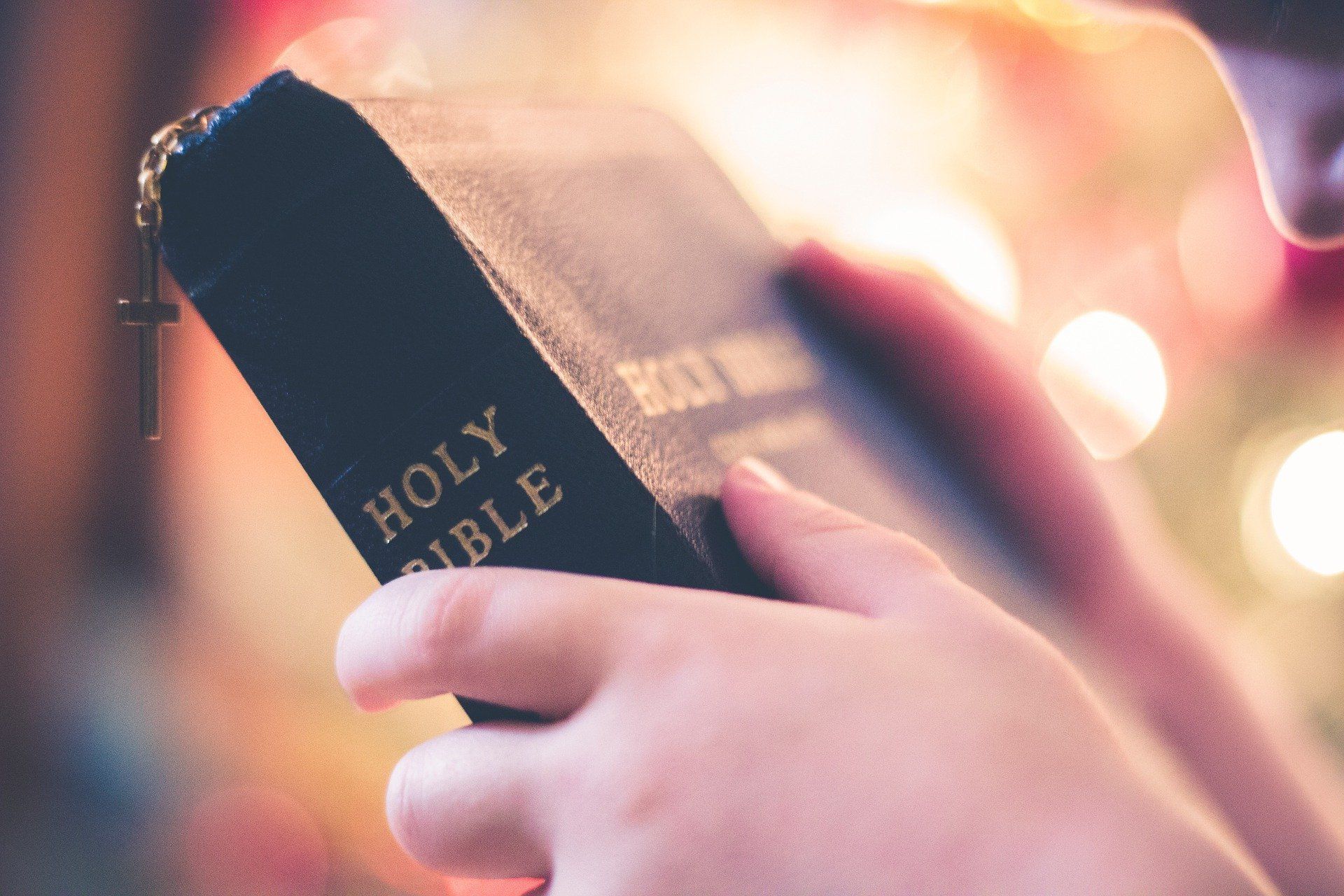
The ungodly have a disaster waiting for them, but the godly have a great reward in the LORD. This is why David knew, the LORD will hear when I call to Him. All Christians should have the same assurance. They should be confident that God will hear their prayers. When prayer seems ineffective, it is worth it to take a spiritual inventory to see if there is a reason for unanswered prayer. The Bible tells us there are several possible reasons why prayer may not be answered. Or it may be that you just aren’t listening.
·Not abiding in Jesus (John 15:7).
·Unbelief (Matthew 17:20-21).
·Failure to fast (Matthew 17:21).
·A bad marriage relationship (1 Peter 3:7).
·Unconfessed sin (James 5:16).
·Lying and deceitfulness (Psalm 17:1).
·Lack of Bible reading and Bible teaching (Proverbs 28:9).
·Trusting in the length or form of prayer (Matthew 6:7).
Then David goes on to tell us to commune with our hearts and be still. In other words, fill our hearts and minds with God’s word, put the world aside, empty our thoughts of the mundane, and concentrate on listening to God. Be still.